Risk & Volatility
Circuit Breakers And Trading Halts Explained
American markets stop trading automatically when prices fall far enough or when a single security moves too fast, and the rules governing each are separate and specific.
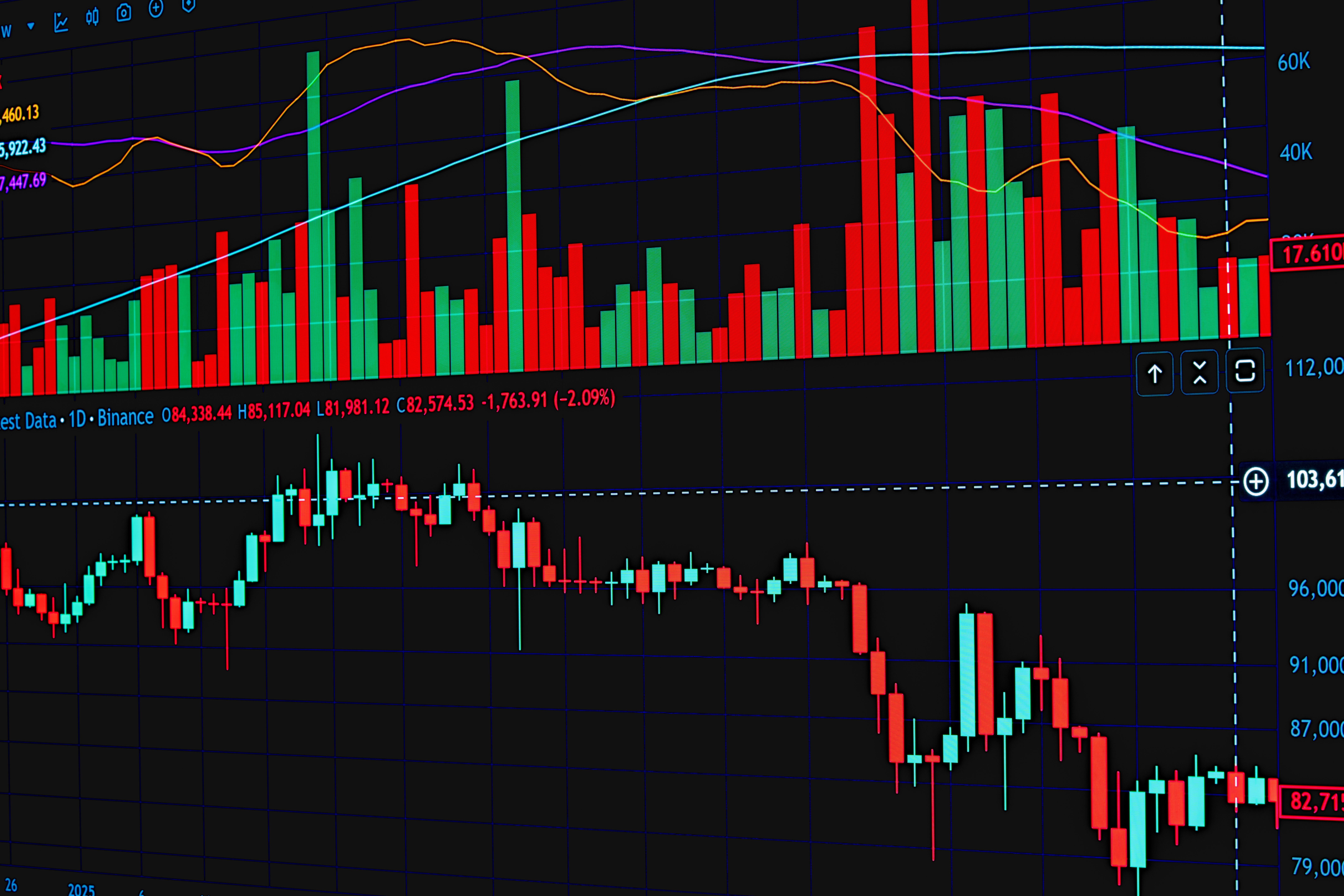
Trading in American markets can be suspended by rule rather than by decision. Several distinct mechanisms exist, operating at the market level and at the level of individual securities.
Market-wide halts
A market-wide circuit breaker pauses trading across exchanges when a broad equity index declines by defined amounts from the previous close.
The thresholds are tiered, with the earlier levels producing a temporary halt and the most severe level closing markets for the remainder of the session.
Timing rules apply as well, since a decline late in the session is treated differently from one occurring earlier.
Why pausing is thought to help
The reasoning is that a pause allows information to disseminate, gives participants time to assess positions, and interrupts the feedback loop between falling prices and forced selling.
Critics argue that halts can intensify the urge to trade, since participants anticipate the pause and rush to act before it takes effect.
Evidence on both arguments is mixed, and the rules have been revised repeatedly after episodes that exposed weaknesses in earlier designs.
Single-security mechanisms
Separate rules pause an individual security when its price moves outside a band derived from recent trading over a short interval.
Related provisions prevent trades from executing outside those bands, which limits the damage from erroneous orders and momentary evaporation of liquidity.
These mechanisms were strengthened after episodes in which individual securities traded at prices far from any reasonable value for brief periods.
Halts for news and regulatory reasons
Exchanges also halt a security when material news is pending, so that information reaches all participants before trading resumes.
Regulators can suspend trading in a security separately, typically where there are questions about the accuracy of public information about the company.
These halts differ from volatility halts in cause and duration, and the reason is published by the exchange or the regulator.
What a halt means for an order
Orders cannot execute during a halt, and the reopening occurs through an auction process rather than resuming where trading stopped.
Prices can reopen substantially away from the last trade, which means a stop order placed beforehand may execute at a very different level.
The practical consequence is that halts remove the ability to transact precisely when the desire to transact is strongest, which is a risk in itself.
Also by Nour Haddad
- Comparing two funds properlyFunds & ETFs
- What happens if a fund or platform failsFunds & ETFs
- Thematic and sector fundsFunds & ETFs
- Factor investing, explained honestlyFunds & ETFs