Markets & Economy
What Happens In A Government Bond Auction
Governments raise borrowing through scheduled auctions with published rules, and the mechanics of those sales influence yields and reveal how much demand exists.
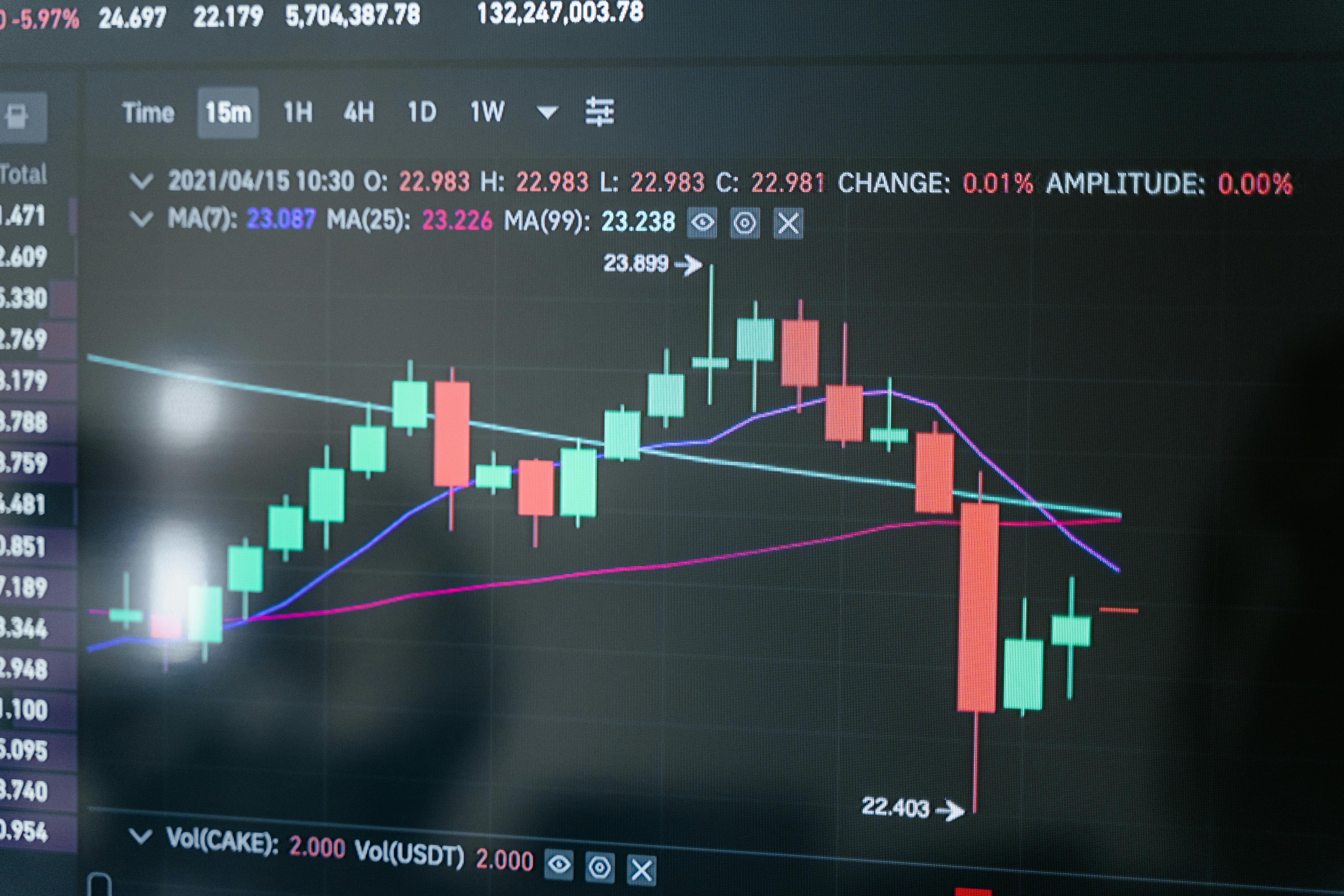
Government borrowing is raised through auctions held on a published calendar. The mechanics are technical but they explain both how yields are set and how demand is observed.
The calendar is announced in advance
Debt management offices publish schedules setting out which bonds will be offered, on what dates and in what approximate sizes.
Predictability is deliberate. Buyers can plan, which reduces the additional yield they demand for uncertainty about supply.
Sizes and specific maturities are usually confirmed shortly before each sale, allowing some adjustment to conditions without disturbing the overall framework.
Bids are submitted competitively
Participants submit bids specifying a price or yield and a quantity. The issuer accepts bids from the most favourable downwards until the amount is raised.
Some auctions settle every successful bid at a single clearing price, while others charge each bidder what they bid. The format affects bidding behaviour.
Non-competitive bids allow smaller participants to receive an allocation at the resulting average price without needing to judge the level.
Primary dealers underwrite the process
Many governments designate a group of firms with obligations to participate in every auction, ensuring the sale is covered.
In exchange, these firms receive certain privileges in the market. The arrangement gives the issuer confidence that borrowing can be raised on schedule.
Those firms then distribute the bonds onward to investors, which is how the newly issued debt reaches the wider market.
Auction results are read as a demand signal
The ratio of total bids to the amount offered indicates how much demand was present, and it is reported immediately after each sale.
The gap between the clearing yield and the market level just beforehand shows whether the sale was absorbed comfortably or required a concession.
A weak result can move yields across the whole curve, since it provides fresh information about the price at which the market will absorb supply.
Issuance interacts with monetary policy
When a central bank is buying or holding government bonds, a substantial share of outstanding debt sits outside the tradeable market, which affects the balance of supply and demand.
When it reduces those holdings, the private market must absorb more, and that shift alters the conditions auctions face.
Arrangements between debt management and monetary policy differ between jurisdictions and change over time, so the interaction works differently from one country to another.
Also by Nour Haddad
- Comparing two funds properlyFunds & ETFs
- What happens if a fund or platform failsFunds & ETFs
- Thematic and sector fundsFunds & ETFs
- Factor investing, explained honestlyFunds & ETFs