Risk & Volatility
What Stop Losses Actually Do
A stop order converts a price level into an instruction to sell, which changes the shape of possible outcomes rather than removing risk from a position.
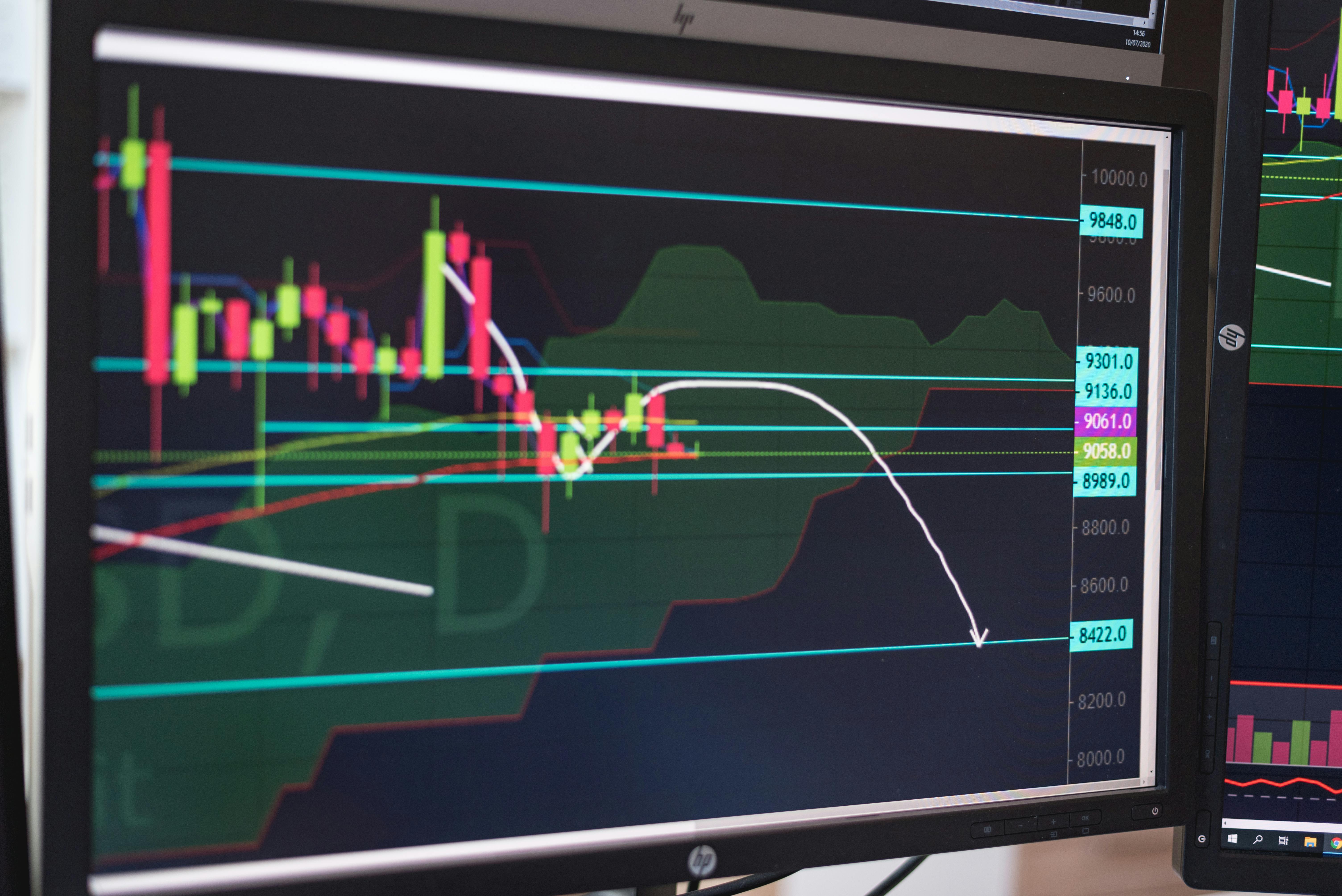
Stop orders are commonly described as protecting a position. What they actually do is convert a price level into an automatic instruction, and the consequences run in several directions.
The mechanism is a trigger, not a guarantee
A stop sits dormant until the specified price is reached, at which point it becomes a live order to sell. The trigger and the resulting order are separate things.
A stop that becomes a market order will execute at whatever price is available once triggered, which in a fast move can be well below the trigger level.
Gaps between one session's close and the next open bypass the level entirely, since no trading occurred in between at which the order could execute.
Volatility determines how often it triggers
A stop placed close to the current price will be reached by ordinary fluctuation, producing a sale that reflects noise rather than any change in circumstances.
Placed further away, it triggers less often but permits a larger decline before acting, which is the trade-off the level embodies.
Because volatility varies between securities and over time, a level appropriate in calm conditions may be far too close during a volatile period.
Exiting creates a second decision
A triggered stop produces cash and an open question about re-entry, which is a decision the stop itself provides no guidance on.
If the price recovers shortly afterwards, re-entering means buying back higher, and the round trip has cost the spread twice plus the difference.
A stop is therefore only half a rule, and the missing half is what determines whether the overall approach makes sense.
The outcome distribution changes shape
Automatic selling on declines truncates the largest losses while also removing participation in recoveries that follow them.
The result is more frequent small losses and fewer large ones, which is a genuine change in the pattern of outcomes rather than a reduction in risk overall.
Whether that pattern suits a particular holder depends on their obligations and horizon, and the answer differs between someone using borrowed money and someone investing long-term savings.
Position sizing addresses the same concern differently
Limiting how much of a portfolio any single holding represents caps the damage from that holding without depending on an order executing at a level.
This operates before the event rather than during it, which is why it is unaffected by gaps, liquidity or how fast a decline occurs.
Order types available and their behaviour outside trading hours differ between venues and brokers, so what a specific instruction will do is set by the terms that apply to it.
Also by Nour Haddad
- Comparing two funds properlyFunds & ETFs
- What happens if a fund or platform failsFunds & ETFs
- Thematic and sector fundsFunds & ETFs
- Factor investing, explained honestlyFunds & ETFs