Investing Basics
How A Share Price Is Actually Set
A quoted share price is the record of the most recent transaction rather than a valuation, and understanding the order book explains why it moves the way it does.
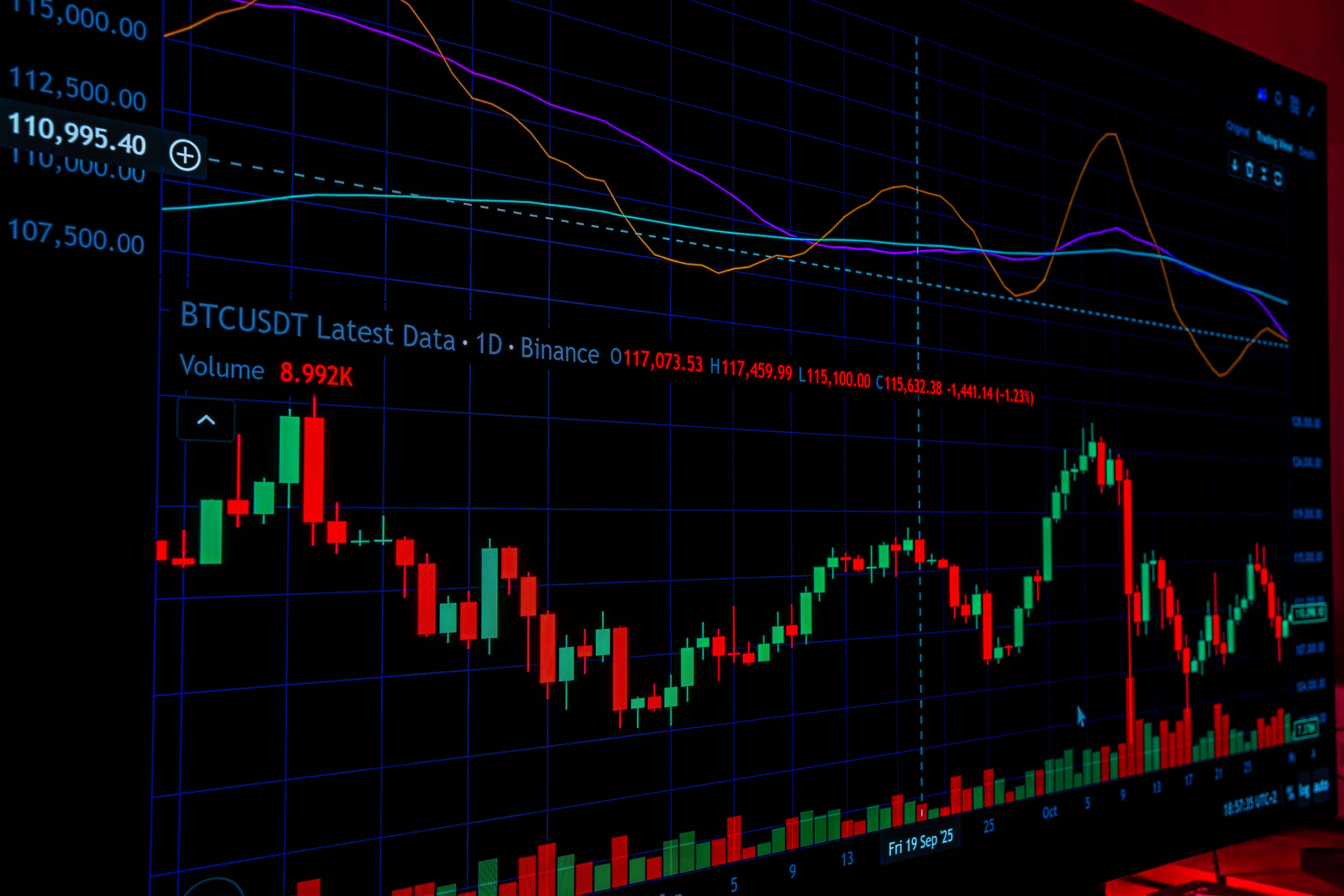
A share price displayed on a screen is not a valuation produced by anyone. It is the record of the last agreement between a buyer and a seller.
The order book holds the standing intentions
An exchange maintains a list of orders to buy at specified prices and orders to sell at specified prices. Together these form the order book for that security.
The highest price anyone will pay is the bid, and the lowest price anyone will accept is the offer. The gap between them is the spread.
No trade occurs while those two prices remain apart. Someone has to accept the other side's price, or the two must meet, before a transaction happens.
The last price is history
The quoted price is whatever the most recent trade was struck at. It describes an event that has already finished.
If nothing has traded for some time, the displayed price may be stale while the bid and offer have moved. This is common in thinly traded securities.
The price at which a holding could actually be sold is closer to the current bid than to the last recorded trade, which matters when valuing illiquid positions.
Depth determines the impact of size
Each price level in the book holds a limited quantity. A large order consumes the volume at the best price and then moves to the next level.
The result is that a big order achieves a worse average price than the quoted one. This is market impact, and it grows with order size relative to normal volume.
Depth varies enormously between securities. A large company's shares absorb substantial orders with little movement, while a small company's may not.
Market makers supply continuity
In many markets, firms commit to quoting both a buying and a selling price in a security, so a counterparty exists even when no natural one is present.
They earn the spread in exchange for holding inventory and carrying the risk that prices move while they do.
Spreads widen when that risk increases, which is why dealing costs rise in volatile conditions precisely when people most want to trade.
Auctions concentrate liquidity
Most exchanges open and close with an auction, collecting orders over a period and matching them at a single price that maximises the volume traded.
Closing auction prices are used for valuations and index calculations, which is why a large share of daily volume concentrates in those few minutes.
Trading rules, auction mechanics and market structure differ between exchanges and change over time, so the conventions of the specific venue determine the detail.
Also by Anton Brekke
- The evidence, summarisedMarkets & Economy
- Reading the economy without a forecastMarkets & Economy
- Housing markets and what drives themMarkets & Economy
- Allocating across several accountsAsset Allocation