Investing Basics
Limit Orders And Market Orders Explained
The two basic order types trade certainty of price against certainty of execution, and choosing between them determines which of the two risks an investor accepts.
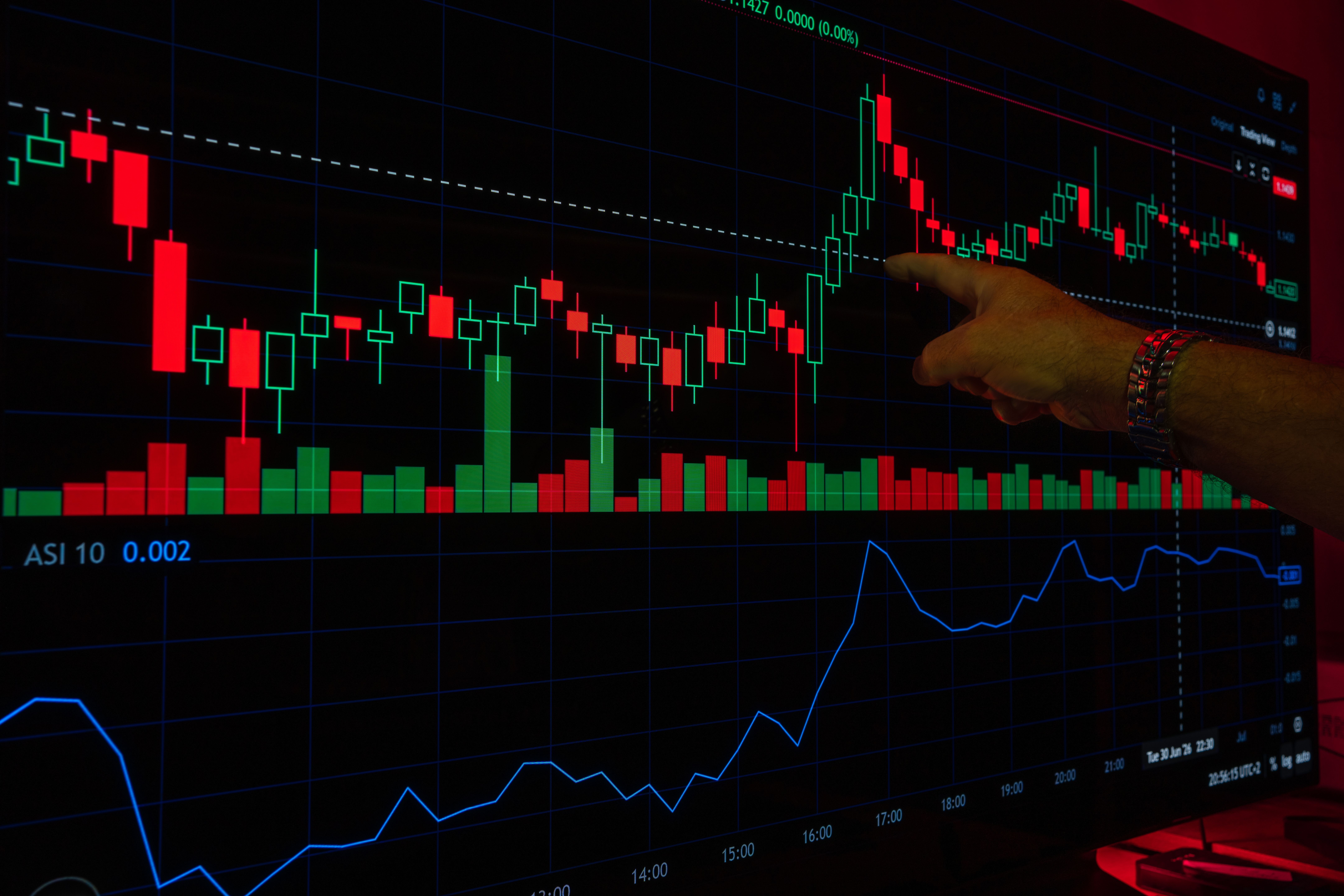
Every order to buy or sell has to resolve a trade-off between getting the transaction done and controlling the price paid. The two basic order types sit at opposite ends of it.
A market order prioritises completion
A market order instructs the broker to deal at whatever price is currently available. It is designed to be filled rather than to achieve a particular price.
In a liquid security with a narrow spread and plenty of depth, the price obtained is usually close to the quoted one and the distinction hardly matters.
In a thin security or a fast-moving market, the executed price can differ noticeably from the price displayed a moment earlier. Certainty of dealing is what has been purchased.
A limit order prioritises price
A limit order specifies the worst acceptable price. It will not execute beyond that level, which caps what the buyer pays or protects what the seller receives.
The cost is that the order may not fill at all, or may fill only partially, if the market does not reach the specified level.
An unfilled order is not a neutral outcome, since the intended position was not established and the market may move away from the limit entirely.
Slippage is the gap between expectation and execution
Slippage describes the difference between the price expected when the order was placed and the price actually achieved. It arises from movement and from depth.
It is largest around market opens, around scheduled announcements and in securities where normal daily volume is small relative to the order.
Waiting until a market has been trading for a while, when spreads have typically narrowed, reduces exposure to the widest quotes of the session.
Conditional orders introduce a trigger
Stop orders remain dormant until a specified price is reached, at which point they become live orders. The trigger and the resulting order type are separate settings.
A stop that converts into a market order will execute, but at whatever price exists once triggered, which in a sharp move can be well beyond the trigger level.
Order types available, how they behave outside trading hours and how they interact with auctions all vary between venues and brokers, so the specific terms determine the outcome.
Order duration is a separate choice
An order can be set to expire when the session closes or to remain live for a longer period, which changes how long the specified price stays in the market.
A long-dated limit order can execute during conditions the investor has not looked at, which is sometimes the intention and sometimes a surprise.
Reviewing standing orders periodically keeps the instructions aligned with current intentions rather than with a view formed at the time they were entered.
Also by Anton Brekke
- The evidence, summarisedMarkets & Economy
- Reading the economy without a forecastMarkets & Economy
- Housing markets and what drives themMarkets & Economy
- Allocating across several accountsAsset Allocation